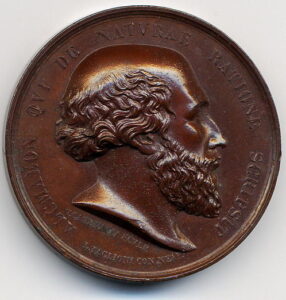
Alcmaeon of Croton (fl. late 6th–early 5th century BC) was an early Greek physician, philosopher, and scientist from the city of Croton in Magna Graecia (southern Italy). He was likely active around the same time as Pythagoras and was associated with the famed medical school of Croton, known for its empirical and rational approach to medicine. Alcmaeon wrote a treatise, later called On Nature, and is recognised as one of the first to apply scientific observation and dissection to the study of the human body.Alcmaeon revolutionised medicine and science by introducing the idea that health is a balance (isonomia) of opposing bodily qualities, such as hot and cold or wet and dry, anticipating the later humoral theory. He was the first to identify the brain as the seat of intelligence, sensation, and thought, moving away from mystical explanations and emphasising natural, physiological causes for disease. His pioneering work in anatomical dissection, especially of the sensory organs, laid the foundation for neuroscience and influenced later thinkers, including Hippocrates. Alcmaeon’s emphasis on empirical evidence and rational explanation marked a turning point in the development of Western medicine and philosophy.