This timeline retraces the most influential figures in the history of medicine, whose groundbreaking contributions have been central to the development of medical science. These individuals have been extensively referenced and analysed throughout my thesis to highlight the evolution of medical knowledge and practice over time.
late 6th–early 5th century BC
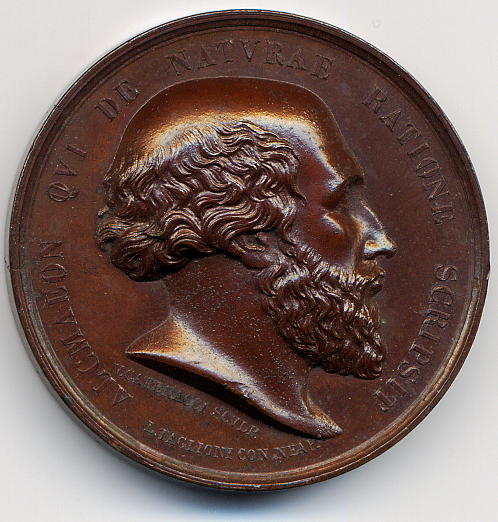
Alcmaeon of Croton
He was an early Greek physician, philosopher, and scientist from the city of Croton in Magna Graecia (southern Italy). He was likely active around the same time as Pythagoras and was associated with the famed medical school of Croton, known for its empirical and rational approach to medicine. Alcmaeon wrote a treatise, later called On Nature, and is recognised as one of the first to apply scientific observation and dissection to the study of the human body. Alcmaeon revolutionised medicine and science by introducing the idea that health is a balance (isonomia) of opposing bodily qualities, such as hot and cold or wet and dry, anticipating the later humoral theory. He was the first to identify the brain as the seat of intelligence, sensation, and thought, moving away from mystical explanations and emphasising natural, physiological causes for disease. His pioneering work in anatomical dissection, especially of the sensory organs, laid the foundation for neuroscience and influenced later thinkers, including Hippocrates. Alcmaeon’s emphasis on empirical evidence and rational explanation marked a turning point in the development of Western medicine and philosophy.
mid 4th–early 3th century BC
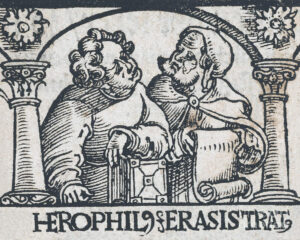
Herophilus & Erasistratus
Herophilus (c. 335–280 BC) was a pioneering Greek physician and anatomist who lived and worked in Alexandria. He is often called the father of anatomy for being the first to perform systematic scientific dissections of human cadavers, a practice that was revolutionary at the time. Herophilus made groundbreaking discoveries about the brain, identifying it as the center of the nervous system, and distinguished nerves from blood vessels and tendons. He also described various organs in detail, including parts of the digestive and reproductive systems, and contributed to early neuroanatomy by classifying nerves as sensory or motor.
Erasistratus (c. 304–c. 250 BC), a younger contemporary of Herophilus, was also a Greek anatomist and royal physician who worked in Alexandria. Alongside Herophilus, he conducted human dissections and made significant advances in understanding the heart as a pump and the brain’s role in motor control through nerves. Erasistratus emphasised mechanical and physiological explanations over traditional humoral theories and promoted preventive medicine and hygiene. Together, they laid the foundations of anatomy and physiology, marking a major leap in medical science that was not matched until the Renaissance.
c. 460–c. 370 BC
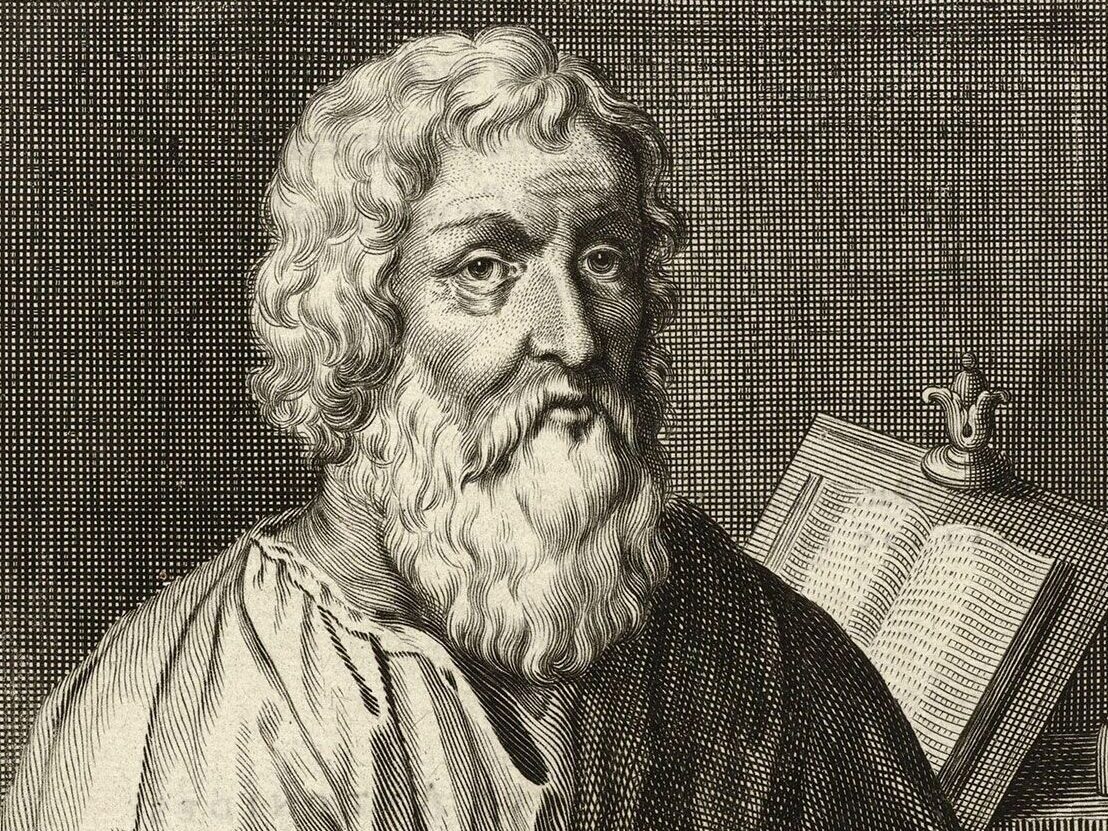
Hippocrates
Hippocrates of Kos was an ancient Greek physician often referred to as the “Father of Medicine.” Born on the island of Kos into a family of physicians, he traveled widely across Greece, teaching and practicing medicine. Although much of his life is shrouded in legend, he is credited with founding a medical school on Kos and passing on his knowledge to students and his sons.
Hippocrates revolutionised medicine by separating it from superstition and the influence of the gods, advocating instead for observation, diagnosis, and rational treatment based on evidence. He established medicine as a distinct profession, introduced clinical observation and documentation, and developed the humoral theory of health. His legacy includes the Hippocratic Oath, which set ethical standards for physicians and is still referenced today.
c. 25 BC – c. 50 AD
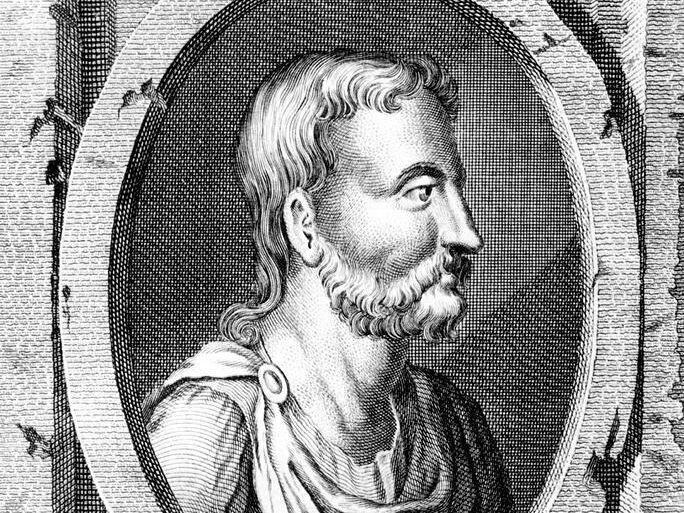
Celsus
Aulus Cornelius Celsus was a Roman encyclopedist best known for his medical work De Medicina, the only surviving part of a larger encyclopaedia covering various subjects. Although it is uncertain whether he practiced medicine himself, De Medicina is a crucial source on Roman medical knowledge, covering diet, pharmacy, surgery, and dermatology. His work reflects and advances Hippocratic and Alexandrian medical traditions, providing detailed descriptions of diseases, treatments, and surgical techniques.
Celsus revolutionised medicine by systematically describing the four cardinal signs of inflammation : redness, swelling, heat, and pain; and emphasising cleanliness and wound care with antiseptic substances like vinegar and thyme oil. He also contributed to early surgery, describing plastic surgery techniques, ligature use to stop bleeding, and treatments for head injuries including craniotomy. His writings laid foundational knowledge for centuries, influencing both medical practice and terminology, and bridging Greek medical theory with Roman practical application.
c. 129–c. 210 AD
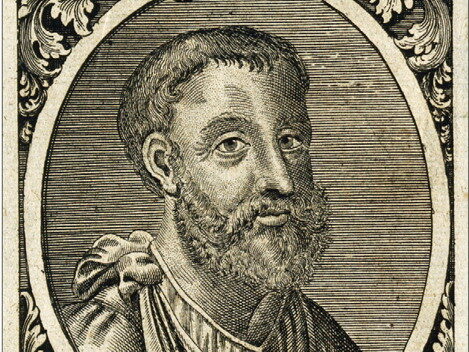
Galen
Galen of Pergamon was a Greek physician, surgeon, and philosopher whose work dominated medical theory and practice in Europe for nearly 1,400 years. He combined extensive anatomical observation, mainly from dissections of animals, with philosophical ideas from Plato and Aristotle to develop a comprehensive system of medicine. Galen advanced the understanding of anatomy, physiology, pathology, and pharmacology, and was the first to use the pulse as a diagnostic tool. He also refined the Hippocratic humoral theory by localizing imbalances to specific organs, allowing more precise diagnoses and treatments.
Galen revolutionised medicine by integrating empirical observation with philosophical reasoning, emphasising experimentation alongside established medical teachings. He described the nervous system’s control over muscles, detailed surgical techniques, and proposed a complex model of bodily functions involving the brain, heart, and liver distributing different “spirits” through the body. His anatomical and physiological theories, although partly based on animal dissection, remained authoritative until the Renaissance challenged and corrected many of his ideas. Galen’s ethical approach and interdisciplinary method laid the foundation for systematic medicine and medical education for centuries.
c. 865–925 AD
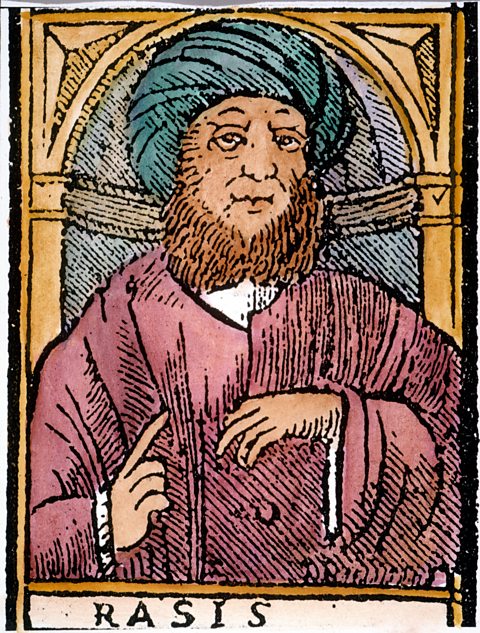
Al-Rāzī
Abū Bakr al-Rāzī (Rhazes) was a Persian physician and scholar of the Islamic Golden Age, known for his extensive medical writings and clinical approach. He was the first to clearly distinguish smallpox from measles and emphasised careful observation and experimentation in diagnosis and treatment. His works, such as al-Kitāb al-Ḥāwī, compiled and expanded medical knowledge from various cultures.
Al-Rāzī revolutionised medicine by promoting empirical methods and humane care. He introduced the use of alcohol as an antiseptic and opium for anesthesia, advanced neurology by describing nerves’ functions, and emphasised diet and hygiene over excessive medication. His practical and scientific approach greatly influenced both Islamic and later Western medicine.
980–1037 AD

Avicenna
Avicenna (Ibn Sina) was a Persian physician and philosopher whose Canon of Medicine (Al-Qānūn fī al-ṭibb) became a foundational medical encyclopaedia in both the Islamic world and Europe for centuries. Born near Bukhara, he mastered medicine by age 18 and served as a court physician while writing extensively. The Canon systematically organised medical knowledge into five volumes covering anatomy, diseases, treatments, pharmacology, and surgery.
Avicenna revolutionised medicine by combining Aristotelian philosophy with empirical observation and clinical practice. He accurately described diseases such as diabetes and tuberculosis, detailed anatomy including the eye and nervous system, and emphasised the contagious nature of some illnesses. His work introduced a rational, comprehensive approach to diagnosis and treatment, influencing medical education and practice well into the 18th century.
c. 1270–1326

Mondino de Luzzi
Mondino also known as Mundinus, was an Italian physician, anatomist, and professor of surgery at the University of Bologna. He is credited with reviving the practice of public human cadaver dissection in medieval Europe, which had been largely abandoned since antiquity. His anatomical text, Anathomia Mundini (1316), was the first comprehensive European anatomy book based on actual dissections and remained a standard reference until the Renaissance.
Mondino revolutionised medicine by reintroducing empirical, hands-on anatomical study as part of medical education, moving away from reliance solely on ancient texts. Although his methods were not fully modern by today’s standards, his work laid the foundation for the scientific study of human anatomy and helped restore anatomy as a central discipline in medicine.
1514–1564

Andreas Vesalius
He was a Flemish anatomist and physician who transformed the study of human anatomy with his landmark work De Humani Corporis Fabrica (1543). This detailed and beautifully illustrated book corrected many errors in the ancient anatomical teachings of Galen, which had been based largely on animal dissection. Vesalius insisted that physicians perform their own dissections to learn anatomy firsthand, establishing empirical observation as the foundation of anatomical science.
His Fabrica revolutionised medicine by making anatomy a rigorous, independent scientific discipline and improving anatomical education through precise descriptions and vivid illustrations. Vesalius’s work laid the groundwork for modern anatomy and clinical medicine by promoting direct observation, challenging authority, and linking anatomical structures to their functions, thus marking a key moment in the Scientific Revolution.
1523–1562

Gabriele Falloppio
He was a prominent Italian anatomist and physician known for his detailed anatomical studies and for giving his name to the fallopian tubes. His major work, Observationes anatomicae (1561), corrected and expanded upon the anatomy of Vesalius and Galen, particularly in the areas of the reproductive system, ear, and nervous system. He provided the first precise description of the uterine tubes, detailed the inner ear’s structure, and identified several important anatomical features such as the ileocecal valve and the facial nerve canal.
Falloppio also made significant contributions to medicine beyond anatomy, including early efforts to prevent syphilis transmission by proposing a linen sheath for the penis, considered a precursor to the modern condom. His work advanced knowledge of cranial nerves, muscle anatomy, and reproductive organs, and introduced terms like placenta and vagina into medical terminology. His empirical approach and corrections to earlier anatomical errors helped shape Renaissance medicine and anatomy.
1596–1650

René Descartes
He was a French philosopher, mathematician, and physiologist who profoundly influenced medicine by applying mechanistic and mathematical principles to the human body. He proposed a model of the body as a machine, where “animal spirits” flowed through hollow nerves to produce movement and sensation. Descartes introduced the idea that the mind (or soul) and body are distinct but interact, with the pineal gland acting as the interface where mental intentions influence bodily actions.
Descartes revolutionised the understanding of the nervous system by explaining reflexes as automatic responses and emphasising a mechanistic, physical basis for bodily functions. His concept of “Cartesian dualism” separated mental phenomena from physical processes, shaping future debates in medicine and philosophy. Although some of his anatomical ideas were hypothetical, his insistence on observation, experimentation, and the application of physics to biology laid important groundwork for modern physiology and neuroanatomy.
1672–1733

Johann Jakob Scheuchzer
He was a Swiss physician and natural scientist best known for his monumental work Physica Sacra, a four-volume richly illustrated commentary on the Bible that sought to explain biblical events through natural science. Often called the “Copper Bible” due to its 760 detailed copperplate engravings, the work combined scientific observation with religious interpretation, illustrating everything from cosmology to fossils, which Scheuchzer believed were evidence of the Biblical Flood.
Scheuchzer revolutionised the integration of science and religion by presenting natural history and palaeontology within a biblical framework, using empirical data to support scriptural narratives. His detailed fossil studies, including the misidentified “Homo diluvii testis,” helped lay early groundwork for paleontology. Physica Sacra stands as a unique example of early 18th-century scholarship that blended scientific inquiry, art, and theology, influencing both natural science and religious thought.