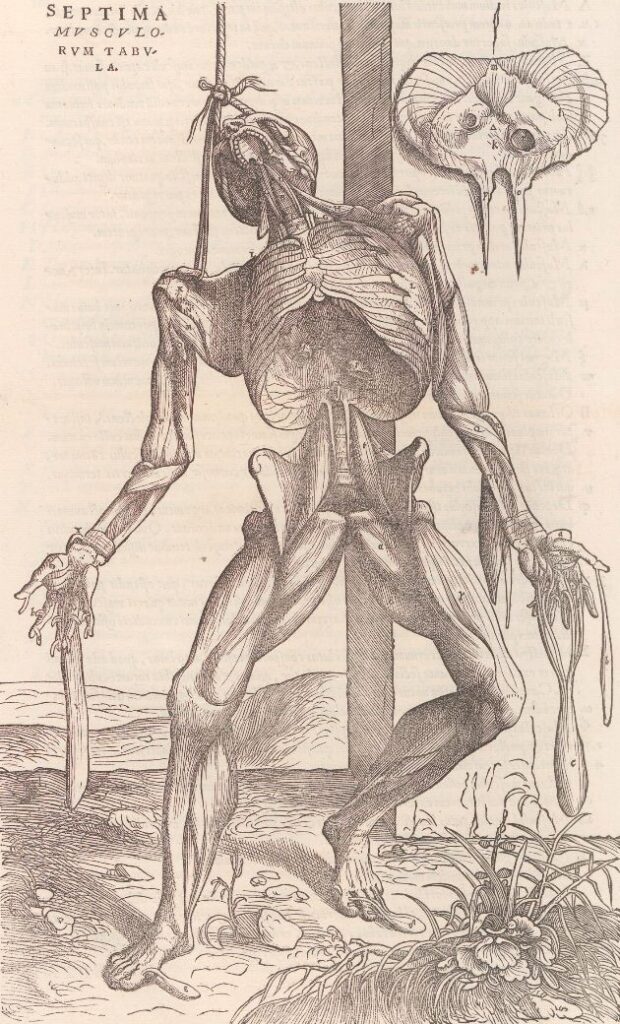
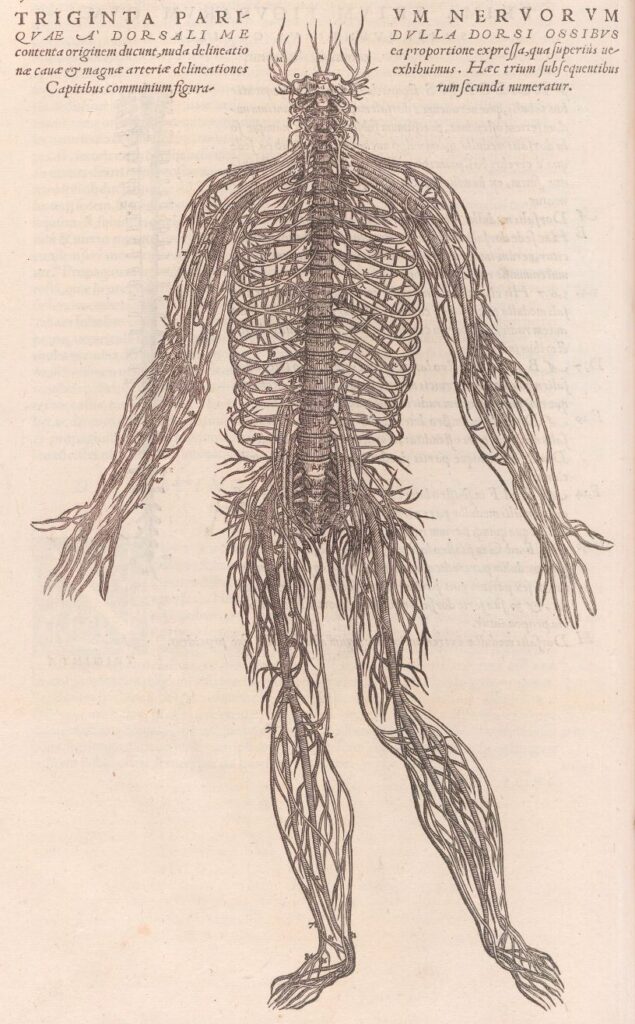
Andreas Vesalius (1514-1564) was a Flemish anatomist, physician, and author who is widely considered the founder of modern human anatomy. Born in Brussels, he defied the anatomical teachings of Galen, which had been accepted dogma for over 1,300 years, by emphasising dissection of the human body as the primary teaching tool. His revolutionary approach marked a significant turning point in the history of medicine, shifting from reliance on ancient texts to direct observation and empirical investigation.
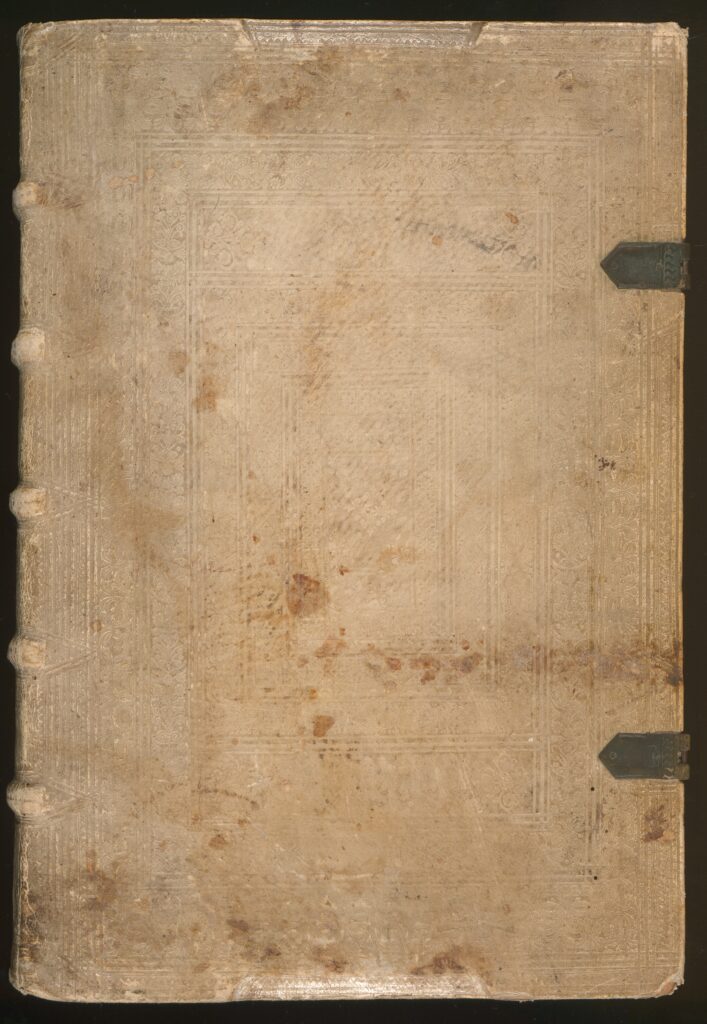
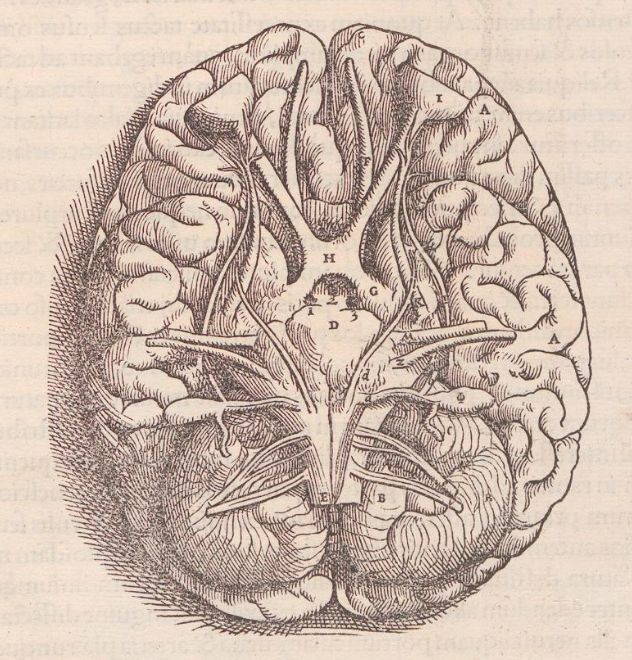
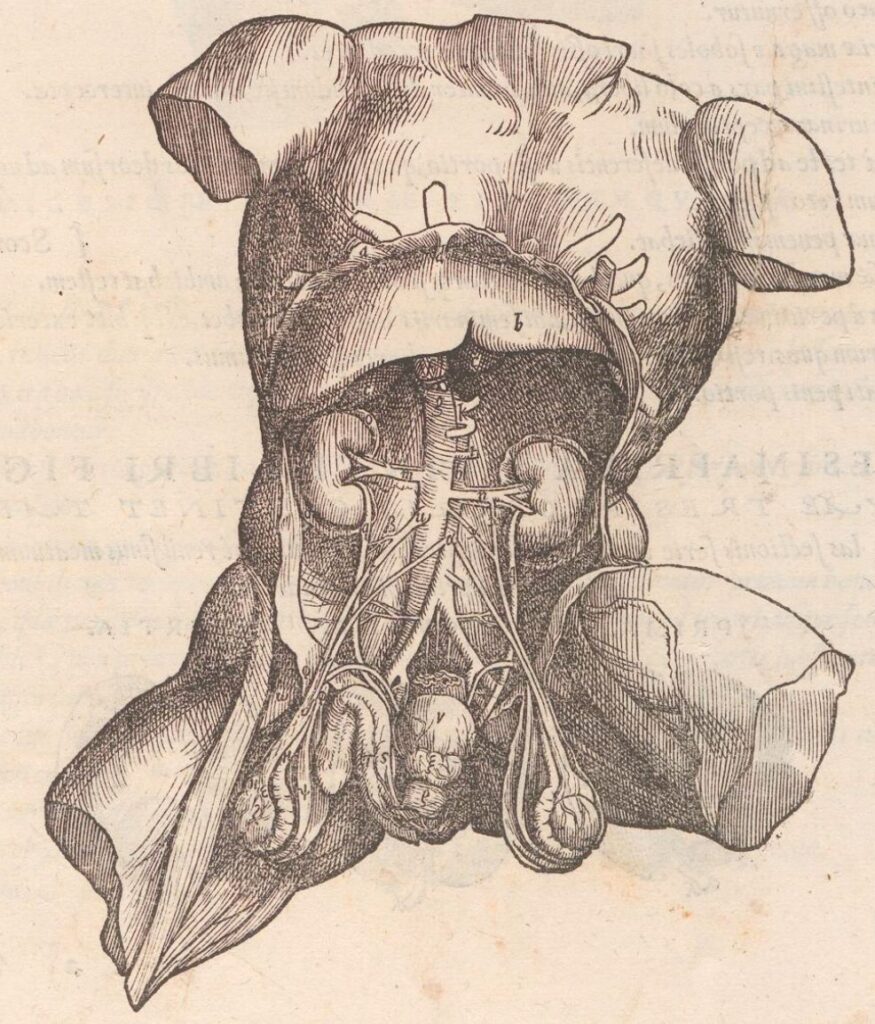
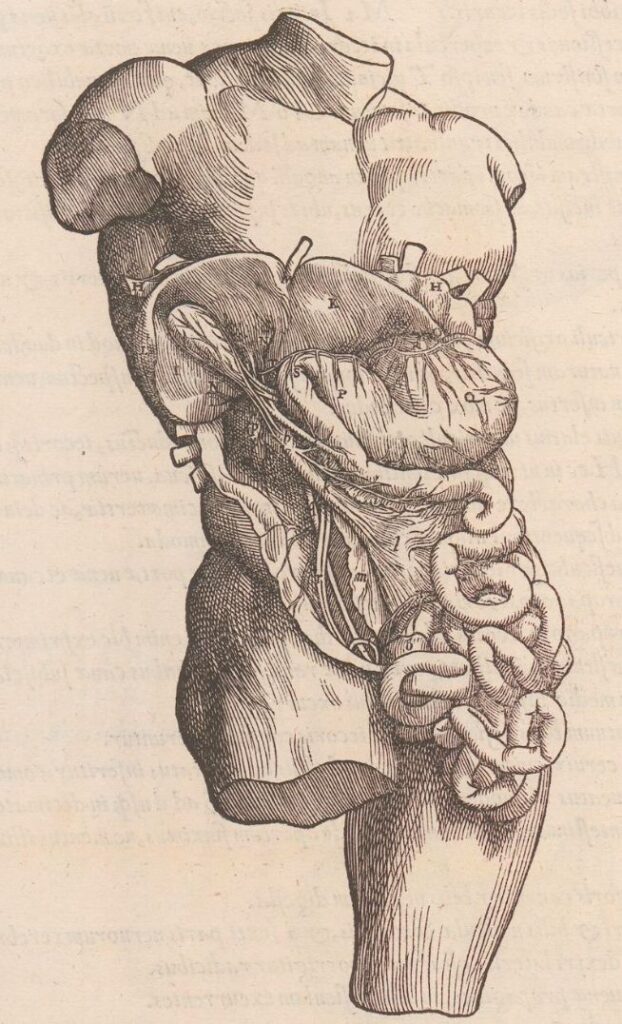
Vesalius’s magnum opus, De humani corporis fabrica libri septem (On the Fabric of the Human Body in Seven Books), commonly referred to as Fabrica, was published in 1543. This groundbreaking work was a comprehensive and richly illustrated anatomical treatise based on Vesalius’s own dissections of human cadavers. Fabrica corrected numerous errors in Galen’s work, which was primarily based on animal dissections, and provided incredibly detailed and accurate depictions of the human body’s structures, from the skeletal system to the muscles, organs, and brain. Its detailed illustrations, created in collaboration with artists from Titian’s studio, were revolutionary in their realism and aesthetic quality, making it a masterpiece of both science and art. Fabrica became a keystone of anatomical study and had an enormous impact on the development of medicine and the understanding of the human body.
My thesis research focuses on how Andreas Vesalius’s work marked a pivotal departure from Galenic anatomy through a rigorous, evidence-based approach. It investigates Vesalius’s use of human dissection as a primary tool for anatomical study, challenging centuries of accepted knowledge derived largely from animal models and unverified teachings. The research highlights how Vesalius questioned the authority of ancient texts by prioritising direct observation and detailed illustration, which allowed him to correct numerous misconceptions and lay the foundation for modern anatomy.
Furthermore, my research explores the broader impact of Vesalius’s methodological innovations on the scientific community and medical education. It examines how his insistence on empirical verification shifted the paradigm from reliance on tradition to inquiry and skepticism, fostering a new spirit of critical thinking in medicine. By situating Vesalius within the historical context of Renaissance science, the thesis demonstrates how this transformation influenced not only anatomical knowledge but also the development of research practices that continue to shape contemporary science. This website was created to support a better understanding of my thesis by presenting key points and visual examples from the “Fabrica,” helping visitors grasp the significance of Vesalius’s discoveries and his departure from Galenic tradition.
Key anatomical discoveries
This page highlights the key anatomical discoveries in “De humani corporis fabrica” that redefined the understanding of the human body. Vesalius demonstrated with evidence that the human jawbone consists of only one bone, correcting the long-standing belief in two. He established that the sternum is composed of three segments rather than seven. He also clarified that both men and women have the same number of ribs, addressing previous misconceptions. Vesalius’s observations revealed that the structure of the human liver is not the same as in animals and that the heart’s chambers are separated by solid walls, not open passages. Through careful dissections and critical analysis, Vesalius set a new standard for anatomical research, emphasising accuracy and first-hand investigation.